What Are Exosomes and Stem Cells?
Extracellular vesicles known as exosomes, which measure between 30 and 150 nanometers, are integral to the process of intercellular communication. These vesicles emerge from a range of cell types, including stem cells, and transport proteins, lipids, and nucleic acids that contribute to maintaining skin health and fostering its regeneration.
The Science
The science fascinating and complex. Exosomes enhance skin health by facilitating intercellular communication and modulating the skin microenvironment. They deliver bioactive molecules, such as proteins, lipids, and nucleic acids, directly to skin cells, promoting regeneration and repair. This ability to influence cellular processes makes exosomes powerful in treating various dermatological conditions.
Exosomes are biocompatible with human cells and tissues, reducing the risk of adverse reactions and making them suitable for cosmetic and therapeutic applications. They support skin repair by increasing cell turnover and accelerating wound healing, ultimately improving skin health and reducing signs of aging. Specifically, exosomes from mesenchymal and adipose-derived stem cells excel in skin repair by conveying these bioactive molecules that aid in improved healing and tissue regeneration.
Growth Factors and Bioactive Molecules: Exosomes and Stem Cells
Exosomes and Stem Cells have a powerhouse of growth factors and bioactive molecules that play an essential role in skin rejuvenation. These components can modify the behavior of recipient cells, influencing cell proliferation and aiding tissue repair. For instance, exosomes obtained from UVB- irradiated human dermal fibroblasts have been linked with reversing skin photoaging due to their enrichment in miRNA-22-5p, which has regulatory effects on gene expression, affecting cell growth and immune responses.
When applied into skin, these exosomes facilitate the delivery of such bioactive molecules directly to the site needing regeneration—encouraging both cell multiplication and improved tissue recovery processes. Their capacity for orchestrating multiple cellular functions renders them a formidable asset within regenerative medicine fields, contributing significantly to advancements in anti-aging remedies and fighting photo-UVB aging of the skin.
Benefits of Exosomes in Skin Care
Exosomes play a diverse role in skin care, imparting substantial gains for rejuvenation and combating the effects of aging. They promote skin health by fostering cellular regeneration and bolstering intercellular communication, effectively targeting visible age indicators like fine lines, wrinkles, sagging, uneven pigmentation, and dryness. They can enhance the texture and coloration of the skin while diminishing inflammation and speeding up recovery processes. These potent elements are instrumental in boosting collagen production and elastin creation—key components essential to preserving the resilience and suppleness of our skin.
Enhanced Collagen and Elastin Production
Exosome therapy is known for its impressive potential to increase the production of collagen and elastin, key components in maintaining skin structure. By encouraging fibroblasts to generate fresh collagen, exosome therapy contributes substantially to greater skin tautness and suppleness, thereby promoting a rejuvenated look.
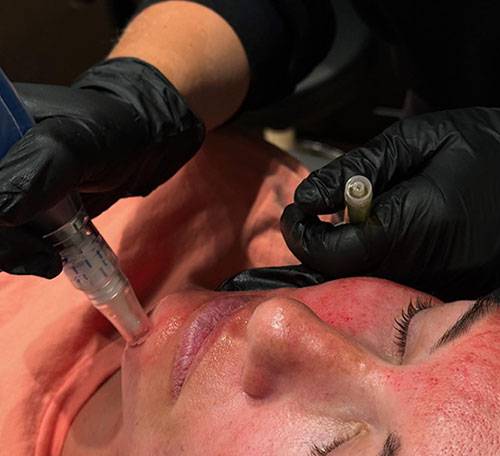
When paired with procedures such as PRF (Skinpen and PRF injection) therapy, exosome therapy effectively accelerates the synthesis of both collagen and elastin. This synergy helps mitigate the impact of photoaging on the skin due to ultraviolet light exposure. As a result, leveraging exosomes represents an advanced approach to improving various dermal concerns and enhancing overall skin health.
Reduction of Inflammation and Accelerated Healing
Exosomes possess potent anti-inflammatory attributes that effectively mitigate skin inflammation and irritation. Their role in post-procedural care is invaluable, as they soothe the inflamed skin and expedite the recuperation process following interventions such as laser treatments. By strengthening the skin barrier and supplying antioxidants, exosomes bolster skin health and its natural repair mechanisms.
Improved Skin Texture and Tone
Utilizing exosomes in your skincare regimen can significantly improve the texture and tone of your skin, giving you a more youthful glow. When applied topically, exosomes boost gene expression connected to the extracellular matrix of the skin, aiding its rejuvenation process. Consequently, this yields silkier and more uniform-looking skin that radiates health and vitality.
Exosomes amplify the benefits of additional skincare components by optimizing their penetration into skin cells. This collaborative action renders products containing exosome technology an influential supplement to any beauty routine focused on mitigating aging symptoms while fostering robust overall skin health.
Safety and Ethical Considerations
It’s important to consult with a healthcare provider about potential dangers, including infections and inflammatory reactions, when considering exosome and stem cell treatments which are typically safe. Currently, the FDA has not approved any topical exosome therapies, suggesting there are substantial regulatory obstacles to overcome. Unregulated exosome products have been targeted by FDA warnings underscoring the necessity for more rigorous regulation. So only receive these from a trusted clinic with physician/nurse oversight!
To guarantee both safety and treatment integrity in exosome therapy practices, it is crucial that these substances be sourced ethically. Ensuring adherence to ethical guidelines during the collection and processing of exosomes is essential. With the expanding market for exosomal therapy, prioritizing such safety and ethical issues will play an integral role in retaining consumer confidence and delivering effective therapeutic options as interest in this area continues unabated.
Exosomes vs. Stem Cell Therapy
Exosome and stem cell therapy, is directed towards improving skin health and encouraging regenerative processes, but utilizes a different approach. Exosomes present similar benefits as those seen with stem cell therapies without some of the unwanted complications linked to the latter. As opposed to traditional methods involving stem cells, which can be intricate and carry inherent risks, exosome treatment provides bioactive molecules that aid in regeneration both safely and efficiently.
When it comes to fostering effective skin healing, exosome treatments stand out by diminishing inflammation, preventing myofibroblast conversion into scar tissue-forming cells, and curbing overproduction of collagen. Consequently, this renders exosome therapy a more benign and readily available choice for individuals seeking sophisticated options in skincare management through cell therapy techniques.
Exosomes and SkinPen PRF
The combination of exosome therapy with aesthetic modalities, particularly PRF SkinPen treatments, is gaining acclaim for its role in amplifying skin rejuvenation results. Incorporating exosomes into such procedures has been shown to expedite healing processes, diminish inflammation, and notably refine both the texture and tone of the skin. This collaborative method boosts the success rate of cosmetic interventions, establishing exosome therapy as a significant enhancement to sophisticated skincare routines.
Over-the-Counter vs. Clinical Exosome Products
It’s crucial to distinguish between over-the-counter (OTC) and clinical formulations when exploring exosome products. When selecting exosome products, buyers should be aware of the formulation variations and differences in ingredient potency between OTC and clinically formulated options. OTC products offer ease of acquisition and use but minimal effectiveness, ability to work within the important layer of dermis (where new collagen is being made), and are usually synthetic or plant and have no quality oversight. Those developed for clinical use from mesenchymal (human cells primarily derived from adipose tissue, bone marrow and umbilical cord cells) are subject to stricter evaluations during development, ensuring they deliver enhanced benefits geared towards skin rejuvenation and combating the signs of aging.